A school field trip can be one of the most exciting parts of a student’s learning journey. But beyond the excitement of visiting somewhere new, how can teachers make sure students take something meaningful back to the classroom?
The answer lies in connecting the experience to what students are already learning.
Whether they are exploring a farm, investigating a science experiment or observing animals in their habitats, students have opportunities to see classroom concepts in action. With a little planning, teachers can turn an ordinary school outing into an extension of the curriculum.
Here are some practical ways to make that connection happen.
Start With a Question, Not Just a Destination
Before booking a school trip, think about what you want students to discover.
Instead of choosing a destination simply because it looks interesting, start with a question related to your current lessons.
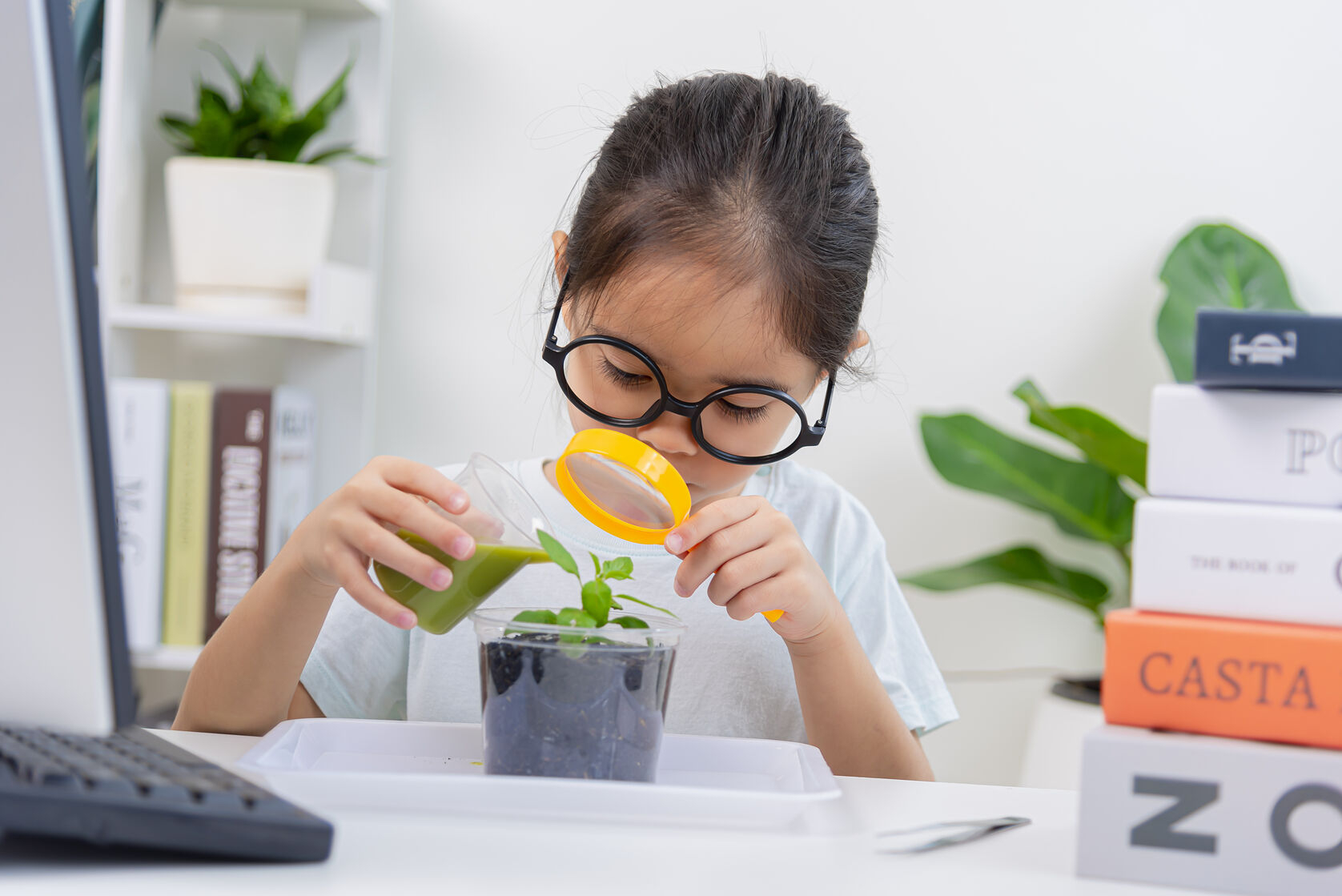
For example, a Science class learning about plant growth could visit a farm. Students studying ecosystems might benefit from a wildlife experience, while a lesson about chemical reactions could be supported by a hands-on science programme.
This approach gives the trip a clear purpose. Students are not just visiting a new place; they are looking for answers to questions they have already explored in class.
Give Students Something to Look For
Once the destination is chosen, prepare students for what they are about to experience.
You do not need a lengthy lesson beforehand. A short discussion, a few questions or a simple observation task can help students pay closer attention during the visit.
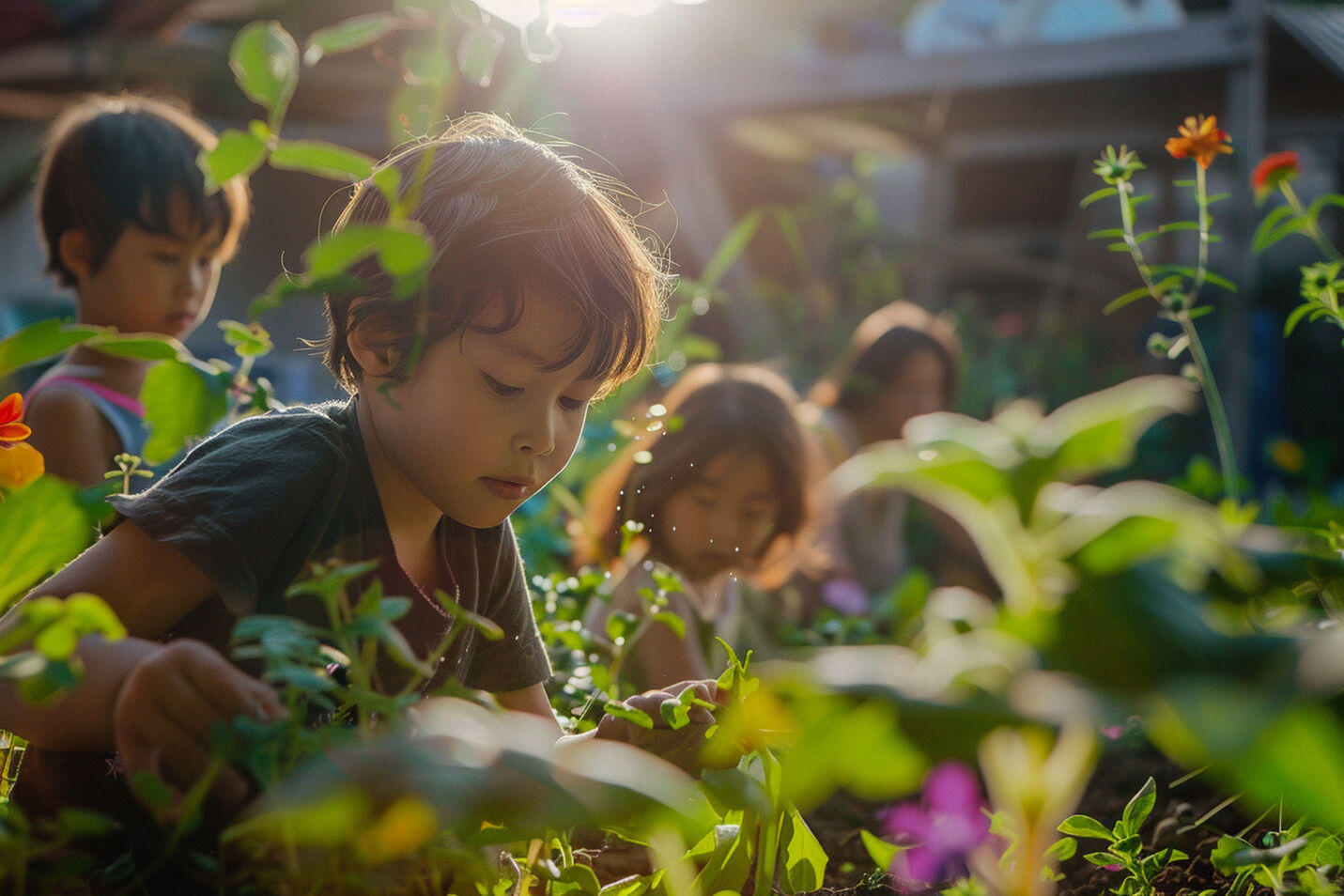
For example, before visiting a farm, ask students to think about how vegetables grow, what plants need to survive and where their food comes from.
During the trip, they can look for answers by observing crops, exploring planting areas and learning from the activities provided.
When students know what to look for, they have a reason to engage with their surroundings.
Turn Observations Into Learning Moments
A field trip gives students the chance to experience concepts that may be difficult to picture from a textbook alone.
However, simply seeing something does not always mean students understand it. Teachers can help bridge that gap by asking questions throughout the experience.
Instead of telling students every answer, encourage them to describe what they notice, compare their observations and explain what they think is happening.
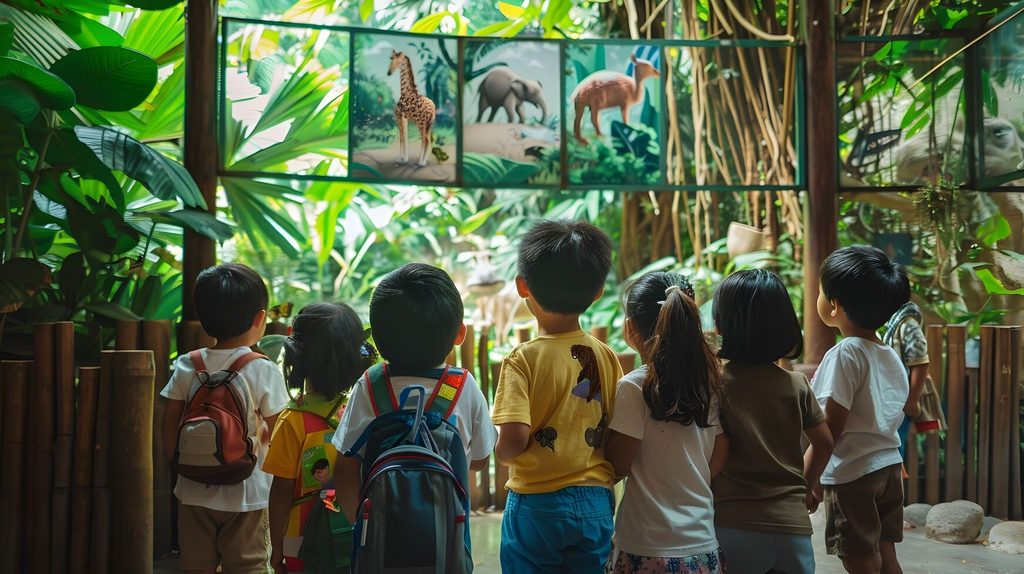
For instance, during a nature visit, students could compare different leaves, observe insects or discuss why certain animals live in particular environments.
These small moments encourage curiosity and help students practise applying what they know.
Bring the Experience Back Into the Classroom
The learning does not have to stop when the bus returns to school.
In fact, the days following a field trip are an opportunity for students to revisit their discoveries and connect them to their lessons.
Rather than relying only on a standard worksheet, teachers can choose activities that suit the subject and age group.
- For Science: Draw and label an observation, explain a process or compare findings.
- For English: Write a reflection, create a short report or describe a memorable discovery.
- For Mathematics: Organise collected information into tables, count observations or compare measurements.
- For Art: Create a drawing, poster or model inspired by the visit.
These activities help students organise what they experienced and communicate what they learned.
Let Students Make Their Own Connections
Sometimes, students notice things teachers did not expect them to notice. Give them space to share those discoveries too.
Ask questions such as, “What surprised you most?”, “What did you learn that you did not know before?” or “How does this connect to something we studied in class?”
Students can share their answers through group discussions, presentations, journals or creative projects.
This also gives teachers an opportunity to identify misconceptions, revisit challenging concepts and understand which parts of the experience made the biggest impression.
Choose Experiences That Support Your Lessons
The right field trip depends on the learning goals you have set. Look for experiences that give students opportunities to observe, investigate, create or participate rather than simply watch.
For example, a farm visit can support lessons about agriculture, plant growth and sustainability. A wildlife programme can introduce animal habitats and conservation, while a science bootcamp can help students explore scientific concepts through experiments.
When the activities align with your curriculum, it becomes easier to connect the experience to classroom discussions and follow-up projects.
Explore GogoKids’ educational experiences to find programmes that may suit your students’ learning objectives:
For school trip planning and group booking enquiries, visit:

Easily register your child for Standard 1 in Malaysian public schools for the 2025/2026 year with our step-by-step guide. Learn about online applications and required documents.

Daycare Fees in Malaysia: How Much Should You Expect to Pay?

Estimating Your Child’s Education Costs in Malaysia: A Practical Guide